

Introduction: Understanding the Importance of Local SEO for Small Businesses
For small business owners looking to attract more customers nearby, local SEO has become an indispensable marketing tool. Unlike broad, national SEO tactics, local SEO focuses on boosting your business’s visibility in specific geographical areas where your customers live or work. This means when someone searches for a product or service you offer “near me” or in your city, your business appears prominently, driving foot traffic and online interactions.
In this guide, you’ll learn how to harness the power of Google Business Profile, optimize your business directory listings, and craft locally-focused content that resonates with your community. By mastering these strategies, you can outshine competitors and build lasting connections with local customers.
What is Local SEO and Why Does It Matter?
Defining Local SEO
Local SEO is a subset of search engine optimization that targets potential customers in a specific geographical area. It helps businesses appear in local search results, maps, and directories.
- Increases your chances of showing up when customers search for “near me” queries.
- Focuses on optimizing your online presence for local intent.
- Builds community trust by showcasing local relevance.
The Impact on Small Businesses
Understanding local SEO can dramatically influence your sales and brand reputation.
- Drives relevant, targeted traffic that is more likely to convert.
- Helps smaller businesses compete with larger chains in local searches.
- Improves engagement through location-based promotions and content.
How Search Engines Interpret Local Signals
Google and other search engines use various signals to rank local businesses.
- Location relevance based on searcher’s proximity.
- Consistency of business information across platforms.
- Customer reviews and quality of content.
Setting Up and Optimizing Your Google Business Profile
Claiming and Verifying Your Profile
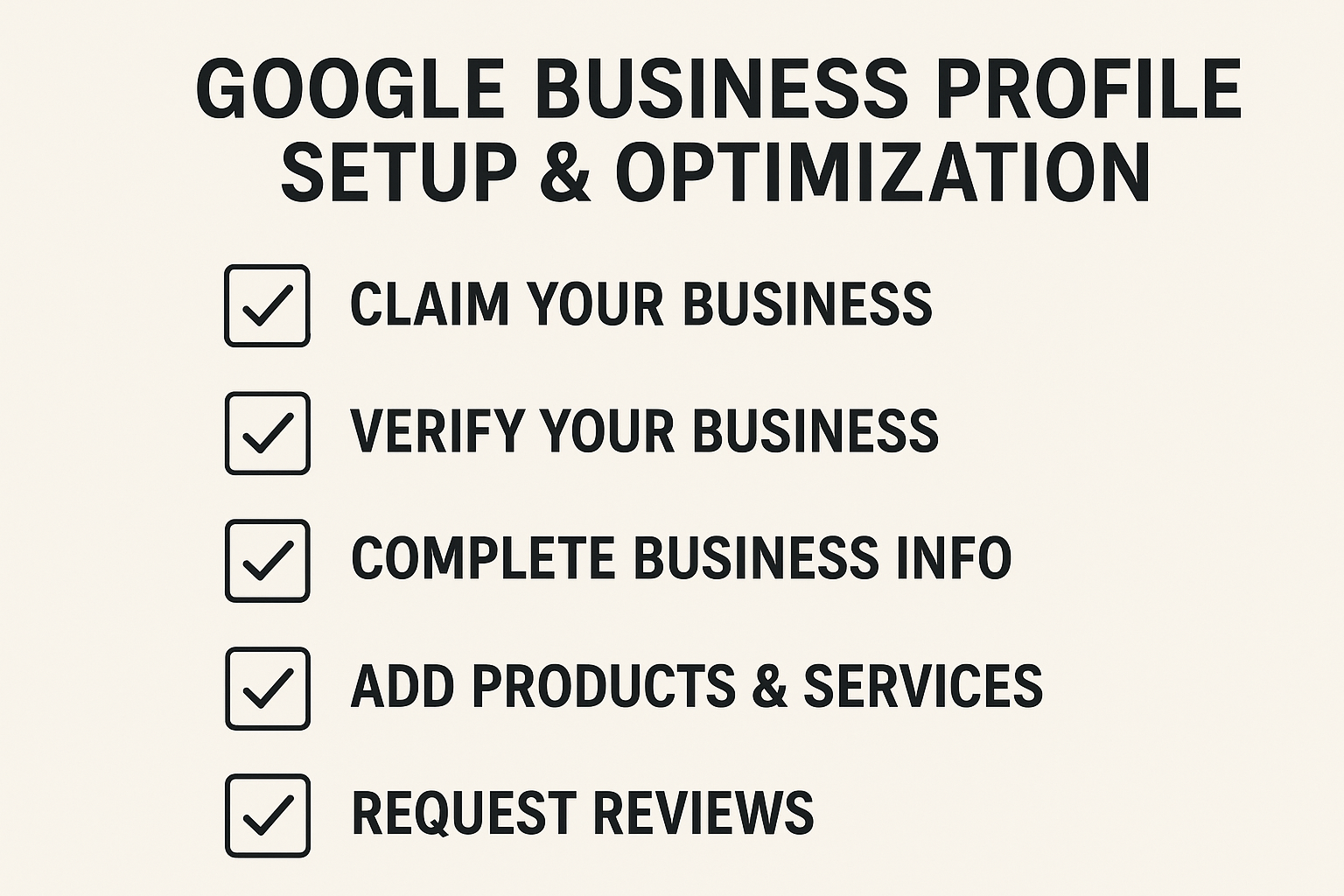
The foundation of local SEO is your Google Business Profile (GBP). Claiming and verifying it ensures you have control over how your business appears on Google Search and Maps.
- Visit the Google Business Profile website to create or claim your listing.
- Verify your business via postcard, phone, or email to authenticate ownership.
Optimizing Your Business Information
Accurate and complete information boosts your local search rankings and customer trust.
- Use your exact business name, address, and phone number (NAP).
- Add business hours, website link, and relevant categories.
- Include high-quality photos of your storefront, products, or services.
Utilizing Google Posts and Messaging
Engaging customers directly through your GBP can increase conversions.
- Publish updates, offers, and events with Google Posts.
- Enable messaging to respond instantly to customer inquiries.
Monitoring Insights and Performance
Google provides valuable analytics on how customers find and interact with your profile.
- Track search queries, views, and actions taken.
- Adjust your strategy based on performance data.
Leveraging Business Directory Listings for Greater Visibility
Importance of Consistent NAP Across Directories
Your business directory listings should have consistent Name, Address, and Phone number (NAP) information to avoid confusing search engines and customers.
- Consistency helps build trust and improves local rankings.
- Inconsistencies can lead to lower visibility or incorrect listings.
Top Business Directories to Consider
Listing your business on credible directories expands your reach.
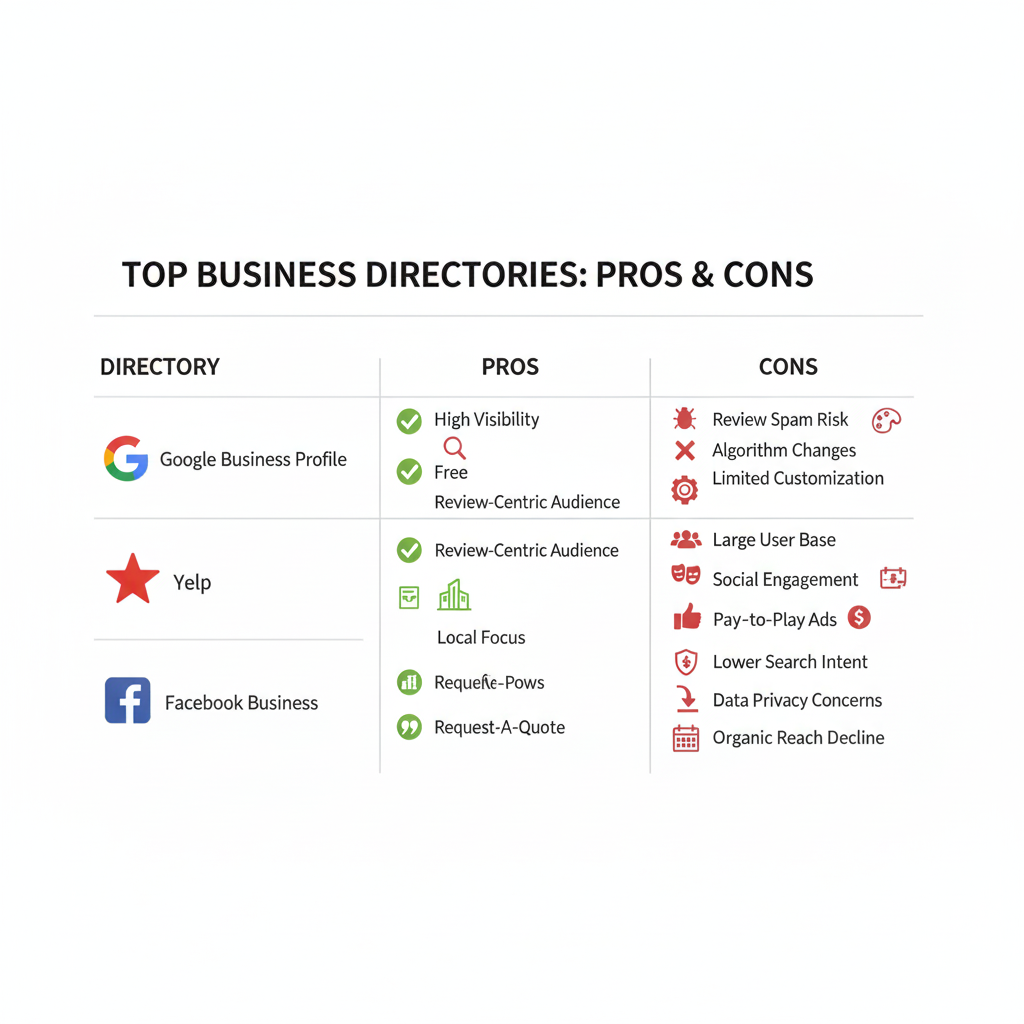
- Google Business Profile (GBP) remains the most critical.
- Yelp, Bing Places, Facebook, and industry-specific directories.
- Local chambers of commerce or community sites.
How to Manage and Update Listings Efficiently
Regular updates keep information current and accurate.
- Use tools like Moz Local or Yext to manage multiple listings.
- Schedule quarterly audits to ensure NAP consistency.
Benefits Beyond SEO
Directory listings also influence customer trust and engagement.
- Allow customers to find reviews and photos easily.
- Boost your business’s credibility in your community.
Crafting Locally-Focused Content to Attract Nearby Customers
Understanding Your Local Audience
Creating locally-focused content means addressing your community’s unique interests and needs.
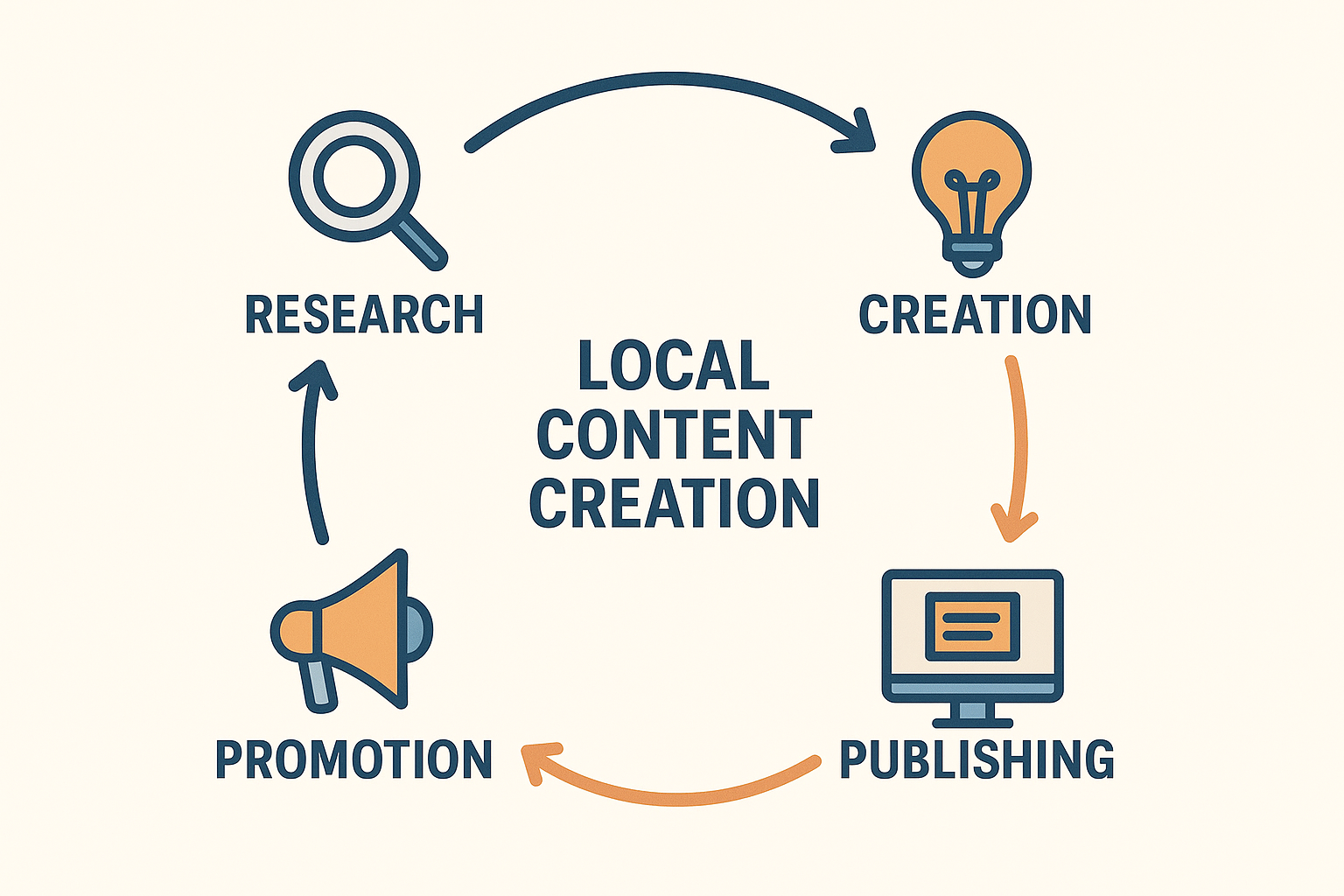
- Research local events, news, and customer questions.
- Tailor content to reflect cultural or regional specifics.
Types of Local Content to Create
Diversify your content to engage different customer segments.
- Blog posts about local events or business collaborations.
- Guides or how-tos that solve local problems.
- Customer stories and testimonials highlighting local connections.
Optimizing Content for Local Keywords
Integrate local SEO keywords naturally within your content.
- Include neighborhood names, landmarks, or local slang.
- Use tools like Google Keyword Planner to find relevant terms.
Promoting Content Locally
Get your content noticed by the right audience.
- Share on local social media groups and forums.
- Collaborate with local influencers or organizations.
Utilizing Customer Reviews and Testimonials for Local SEO Success
Why Reviews Matter for Local SEO
Customer reviews impact both search rankings and purchasing decisions.
- Positive reviews improve your business’s authority.
- Reviews contribute to Google’s local ranking factors.
Encouraging Customers to Leave Reviews
Develop simple, respectful methods to gather feedback.
- Ask in person or via follow-up emails.
- Provide direct links to your Google Business Profile review page.
Responding to Reviews Professionally
Engage with all feedback to demonstrate customer care.
- Thank customers for positive reviews.
- Address negative reviews constructively to resolve issues.
Leveraging Testimonials in Marketing
Showcase authentic customer experiences.
- Feature testimonials on your website and social media.
- Use them to build trust with potential local customers.

The Role of Local Keywords: How to Research and Use Them Effectively
Understanding Local Keyword Intent
Local keywords reflect what nearby customers are searching for.
- Include geo-modifiers like city, neighborhood, or “near me.”
- Target service-specific phrases relevant to your area.
Tools to Discover Local Keywords
Use keyword research tools focused on localization.
- Google Keyword Planner for volume and competition.
- Ahrefs or SEMrush for competitor insights.
- Google Trends to spot seasonal or emerging terms.
Incorporating Keywords Naturally
Avoid keyword stuffing while maintaining relevance.
- Place keywords in titles, meta descriptions, and headers.
- Use variations and synonyms to sound natural.
Tracking Keyword Performance
Monitor how well your keywords are driving traffic.
- Use Google Search Console for impressions and clicks.
- Adjust content or listings based on keyword analytics.
Mobile Optimization: Ensuring Your Local Audience Can Easily Find You
Why Mobile Matters for Local Searches
Most local searches happen on mobile devices.
- Mobile-friendly sites rank higher in local search results.
- Customers often search on-the-go looking for immediate solutions.
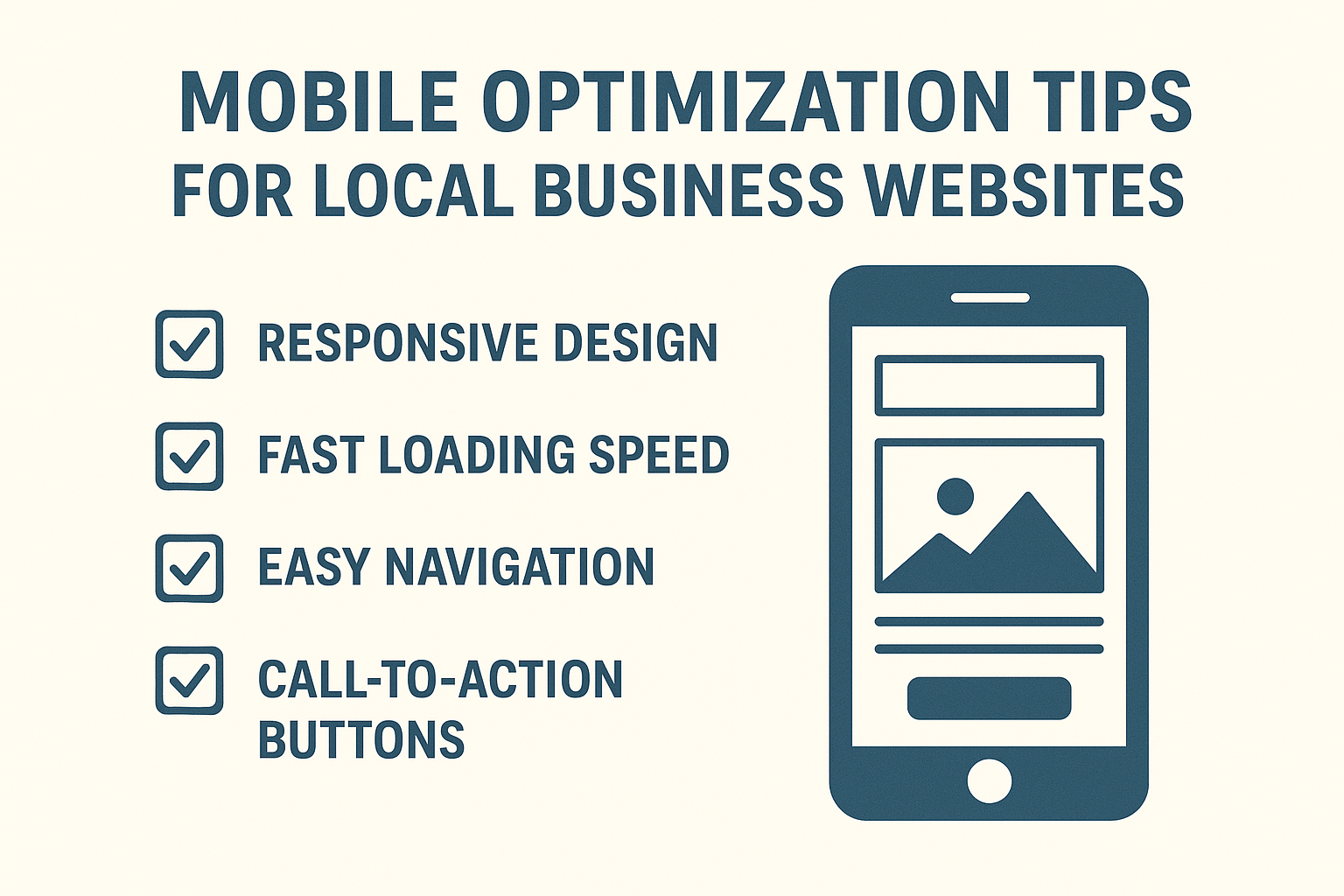
Responsive Web Design Best Practices
Ensure your website adapts seamlessly to all screen sizes.
- Use fluid grids and flexible images.
- Test with tools like Google’s Mobile-Friendly Test.
Fast Loading Speeds
Mobile users expect quick access.
- Compress images and minimize code.
- Use caching and reliable hosting services.
Local Mobile Features
Enhance mobile experience with local-first elements.
- Clickable phone numbers and maps integration.
- Location-based offers and easy navigation.
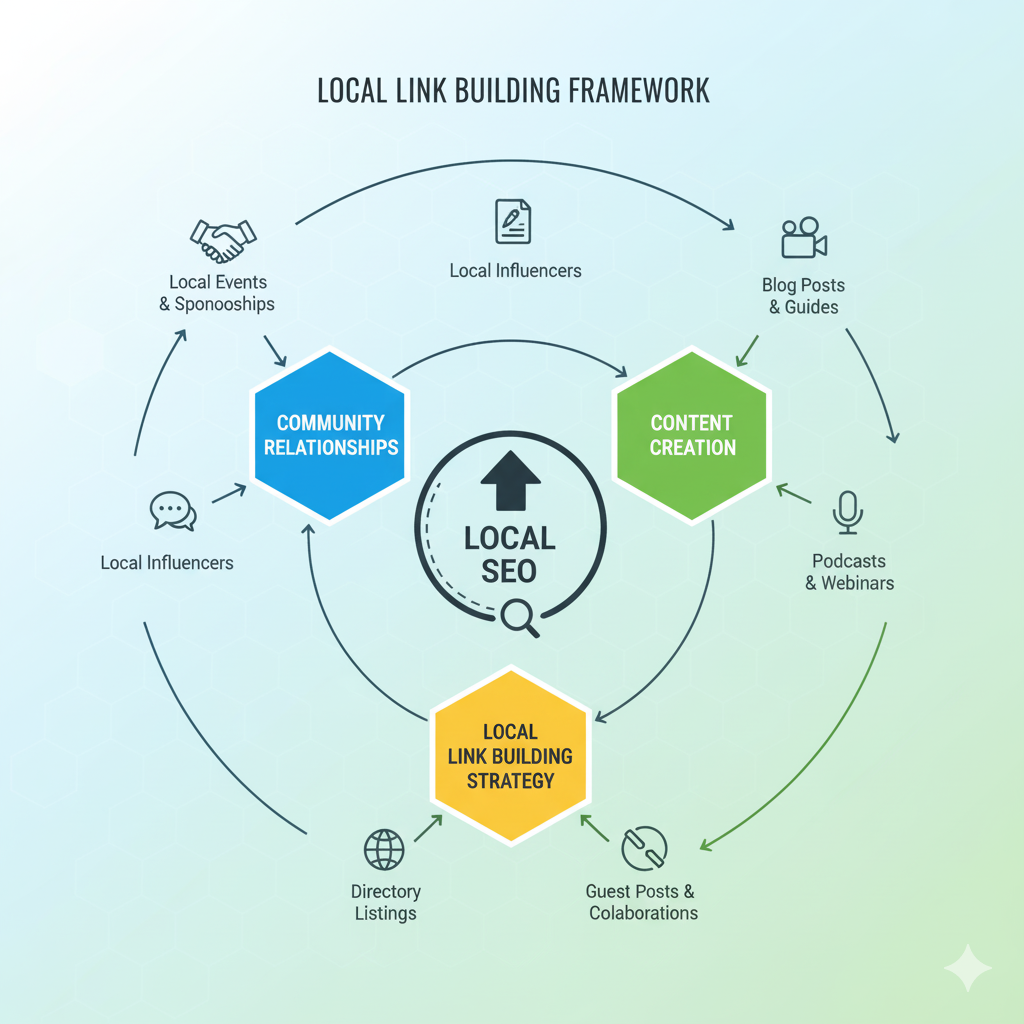
Local Link Building Strategies to Boost Your Search Presence
Importance of Local Backlinks
Links from local sources increase your business’s relevance and authority.
- Signal to search engines that your business is well-integrated locally.
- Drive referral traffic from trusted community sites.
Identifying Local Link Opportunities
Look for partnerships and sponsorships within your community.
- Local newspapers, blogs, and event pages.
- Chamber of commerce and business associations.
Creating Link-Worthy Local Content
Produce content that naturally attracts backlinks.
- Host local guides or resource pages.
- Publish case studies or success stories involving local clients.
Outreach Tactics for Link Building
Build relationships to secure backlinks.
- Personalize outreach emails to local site owners.
- Offer guest posts or collaborations.
Tracking and Measuring Your Local SEO Efforts: Tools and Metrics
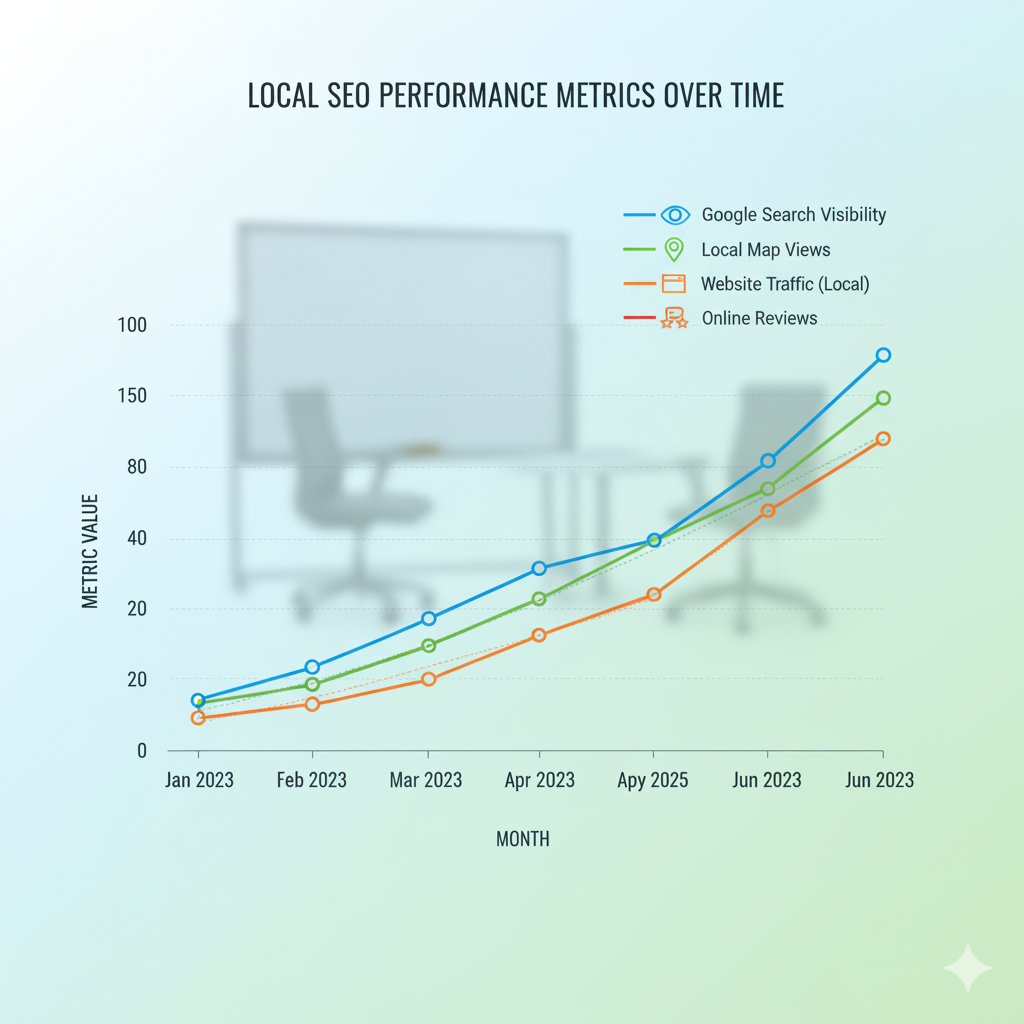
Essential Metrics to Monitor
Measure success with actionable data points.
- Local search rankings for key terms.
- Website traffic from local sources.
- Calls, clicks, and direction requests from your Google Business Profile.
Tools for Tracking Local SEO
Utilize specialized and general SEO tools.
- Google Analytics for website traffic analysis.
- Google Search Console for search performance.
- BrightLocal or Whitespark for local rank tracking.
Setting Realistic Goals and Benchmarks
Define what success looks like for your business.
- Increase in local leads or foot traffic.
- Improvement in review ratings and volume.
- Growth in local keyword rankings.
Adjusting Strategies Based on Data
Use insights to refine your approach.
- Identify underperforming keywords or listings.
- Test different content or promotion tactics.
Common Local SEO Mistakes to Avoid
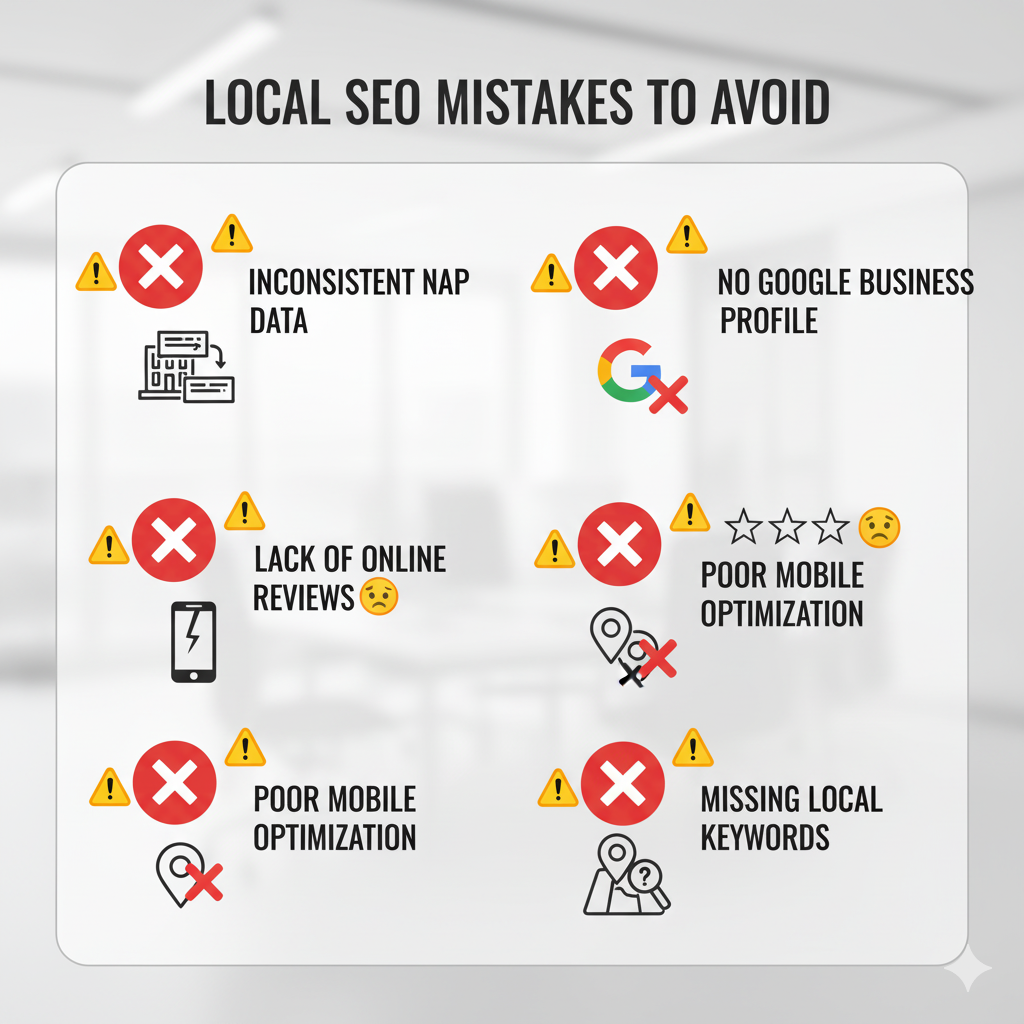
Inconsistent Business Information
Mismatched NAP details confuse search engines and customers alike.
- Always keep your business name, address, and phone number uniform.
Ignoring Google Business Profile Optimization
An incomplete or unclaimed profile misses key local opportunities.
- Regularly update your profile with fresh photos and posts.
Neglecting Customer Reviews
Failing to encourage or respond to reviews damages reputation.
- Proactively request reviews and engage with feedback.
Overlooking Mobile Experience
A website that isn’t mobile-friendly drives potential customers away.
- Prioritize responsive design and fast loading speeds.
Avoiding Local Content Creation
Generic content doesn’t resonate with local audiences.
- Tailor your messaging to community interests and needs.
Conclusion: Taking the Next Steps to Master Local SEO
Mastering local SEO is a journey that begins with getting your Google Business Profile right, ensuring consistent business directory listings, and creating compelling locally-focused content. By investing time in these foundational areas and continuously monitoring your performance, your small business can build a strong local presence, attract more nearby customers, and thrive in today’s competitive digital landscape.
Start today by auditing your current online presence, claiming your GBP, and planning content that speaks directly to your community. The local customers you want are searching for you — make sure they find your business first!
FAQ
1. What is local SEO and how does it differ from traditional SEO?
Local SEO focuses on optimizing your online presence to attract customers from specific geographic areas, while traditional SEO targets a broader, often global audience.
2. Why is my Google Business Profile important for local SEO?
Your Google Business Profile is one of the primary tools that Google uses to show your business in local search results and on Google Maps.
3. How do I claim my Google Business Profile?
Visit the Google Business Profile website, search for your business, and follow the verification steps via phone, email, or postcard.
4. What information should I include in my Google Business Profile?
Include your accurate business name, address, phone number, website, hours, photos, and categories.
5. How often should I update my business directory listings?
Regularly audit and update your listings at least once every three to six months to maintain accuracy.
6. Can customer reviews improve my local SEO?
Yes, positive reviews build trust and are a significant ranking factor for local SEO.
7. How can I encourage customers to leave reviews?
Ask politely after service, send follow-up emails with review links, and make it easy for customers to respond.
8. What are locally-focused content examples?
Blog posts about local events, neighborhood guides, customer testimonials, and local news related to your industry.
9. How do I find the best local keywords?
Use keyword research tools like Google Keyword Planner and incorporate geo-specific terms relevant to your business.
10. Why is mobile optimization crucial for local SEO?
Most local searches happen on mobile devices; a mobile-friendly site improves user experience and search rankings.
11. What are some effective local link building strategies?
Partner with local organizations, sponsor events, guest post on local blogs, and create shareable local content.
12. How can I track my local SEO progress?
Use tools like Google Analytics, Search Console, and local SEO platforms like BrightLocal to monitor key metrics.
13. What is NAP consistency and why is it important?
NAP stands for Name, Address, Phone number; consistent info across all platforms helps search engines trust your business data.
14. What mistakes should I avoid in local SEO?
Avoid inconsistent listings, ignoring your Google Business Profile, neglecting reviews, and having a non-mobile-friendly website.
15. How important are photos in my Google Business Profile?
Photos increase engagement and provide customers with a better sense of your business, improving click-through rates.
16. Can I post offers or updates on my Google Business Profile?
Yes, Google Posts allow you to share timely updates, offers, and events directly on your profile.
17. What role do business directories play in local SEO?
They increase your online footprint and help validate your business information to search engines.
18. How do I respond to negative reviews?
Respond professionally, acknowledge the issue, and offer to resolve it offline to show your commitment to customer service.
19. Should I invest in professional local SEO services?
If you lack time or expertise, professional services can help optimize your presence efficiently and effectively.
20. How long does it take to see results from local SEO efforts?
Typically, it can take 3-6 months to notice significant improvements, depending on competition and strategy execution.
21. Is social media important for local SEO?
While not a direct ranking factor, active local social profiles can drive engagement and traffic, supporting your overall local presence.
22. How can I optimize my website for local SEO?
Include local keywords, embed Google Maps, create location-specific landing pages, and ensure fast mobile performance.
23. What is the role of citations in local SEO?
Citations are mentions of your business on other websites, which help improve your local search credibility.
24. Can I add multiple locations in my Google Business Profile?
Yes, if you have multiple physical locations, each can have its own verified profile.
25. How do I handle seasonal changes in my business hours on GBP?
Update your hours for holidays or seasonal schedules in your profile to keep customers informed.
26. What content formats work best for local engagement?
Blogs, videos, infographics, and community event announcements tailored to your locality.
27. How do I avoid duplicate listings?
Regularly audit directories and request removal or merging of duplicates to prevent confusion.
28. Are paid ads helpful for local SEO?
Paid ads complement local SEO by increasing visibility quickly but should be combined with organic strategies.
29. What role does schema markup play in local SEO?
Schema helps search engines better understand your business info, potentially enhancing your local search appearance.
30. Can I integrate online booking or ordering with my Google Business Profile?
Yes, you can add booking or ordering links depending on your business type to streamline customer actions.

<image: local-seo-faqs>
Image Alt: Visual FAQ layout with question and answer bubbles organized neatly for easy reading